

Kasarani, Nairobi, Kenya
+254 704 831732
+254 704 831732
info@alvidafrica.co.ke
alvidafrica@gmail.com


 by Alvid Africa
In today's fast-paced workplace, organizations are expected to adapt quickly, innovate constantly, and deliver exceptional results. While technology and strategy play an important role, the true driving force behind every successful business is its people. That is why team building has evolved from being a recreational activity to a strategic investment in organizational success.
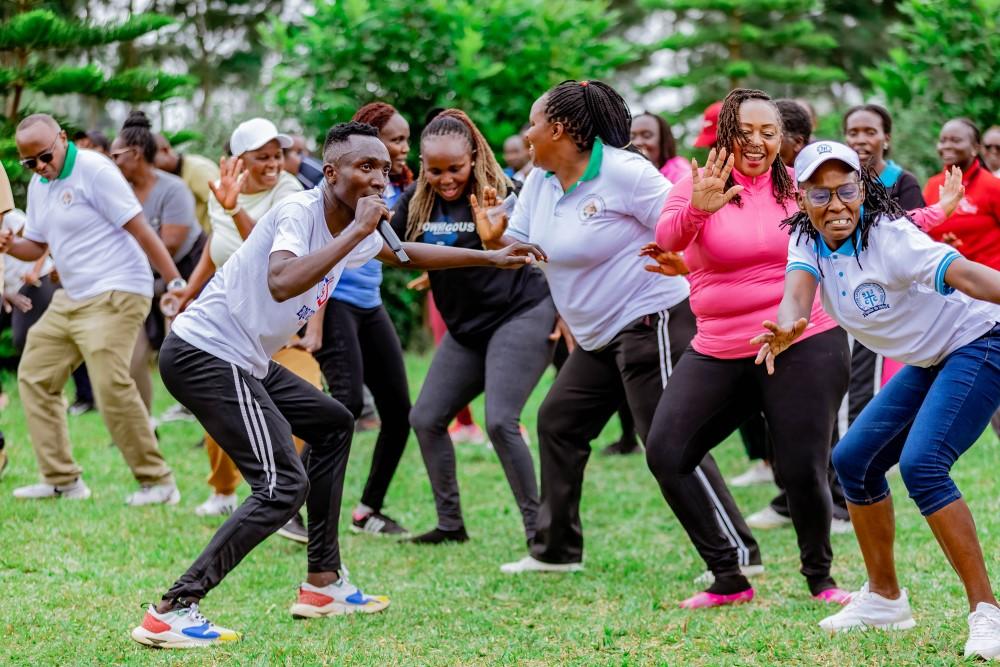
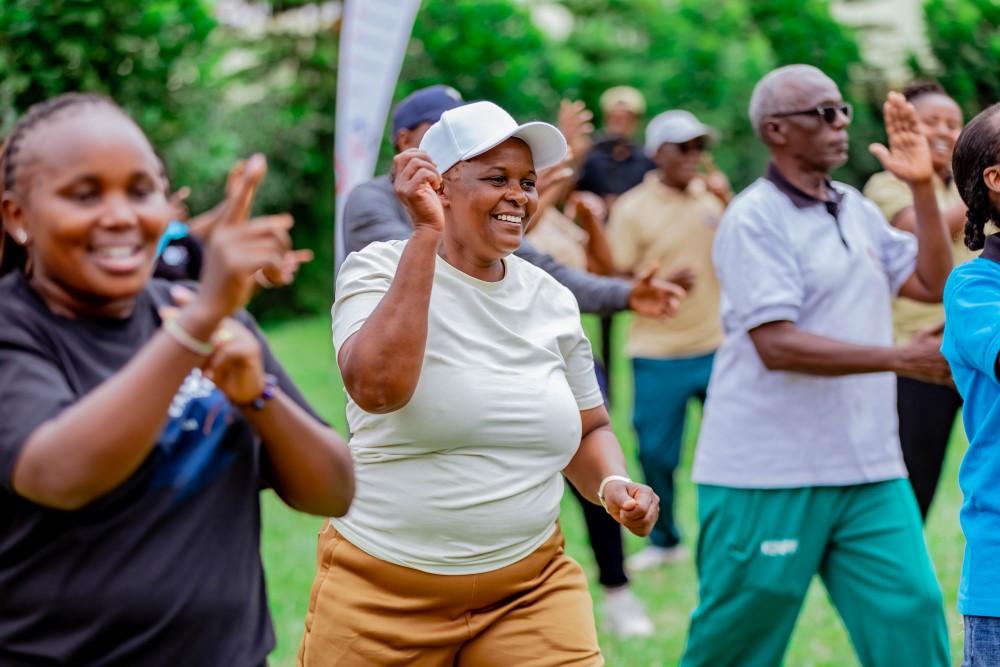
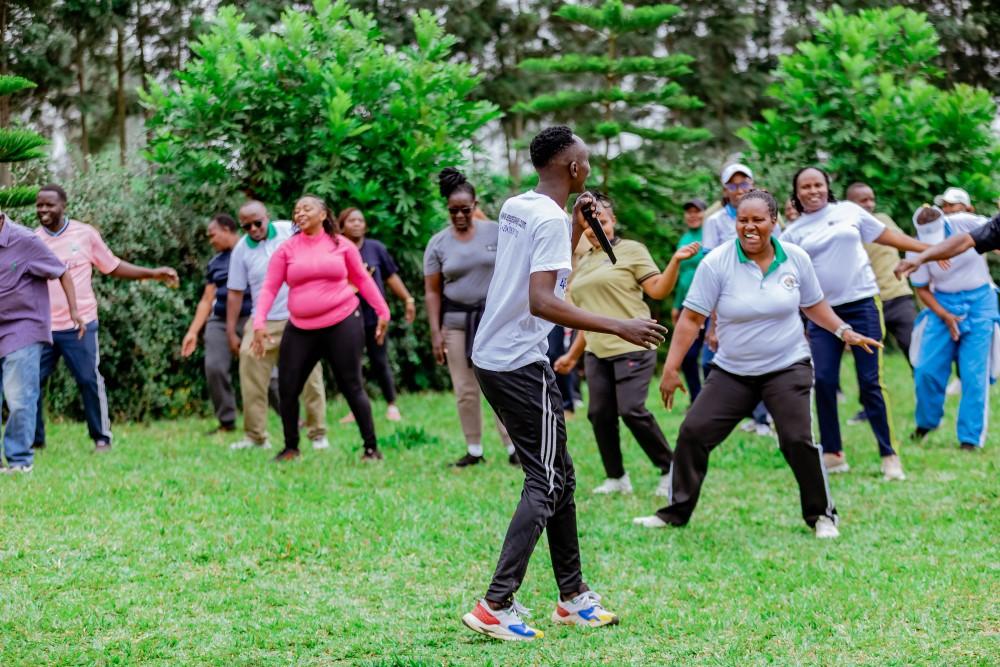
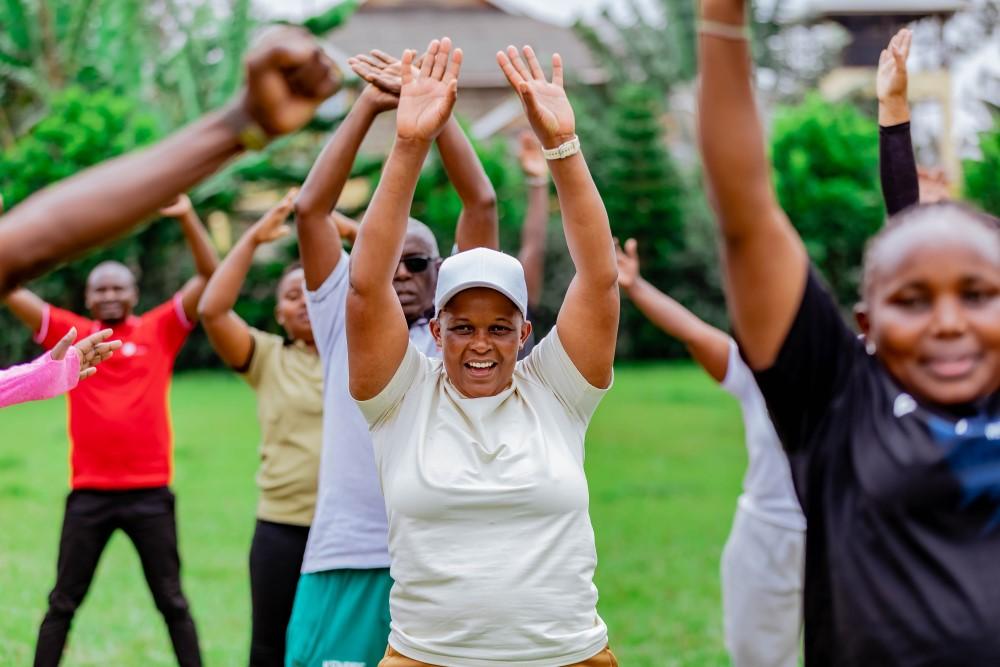
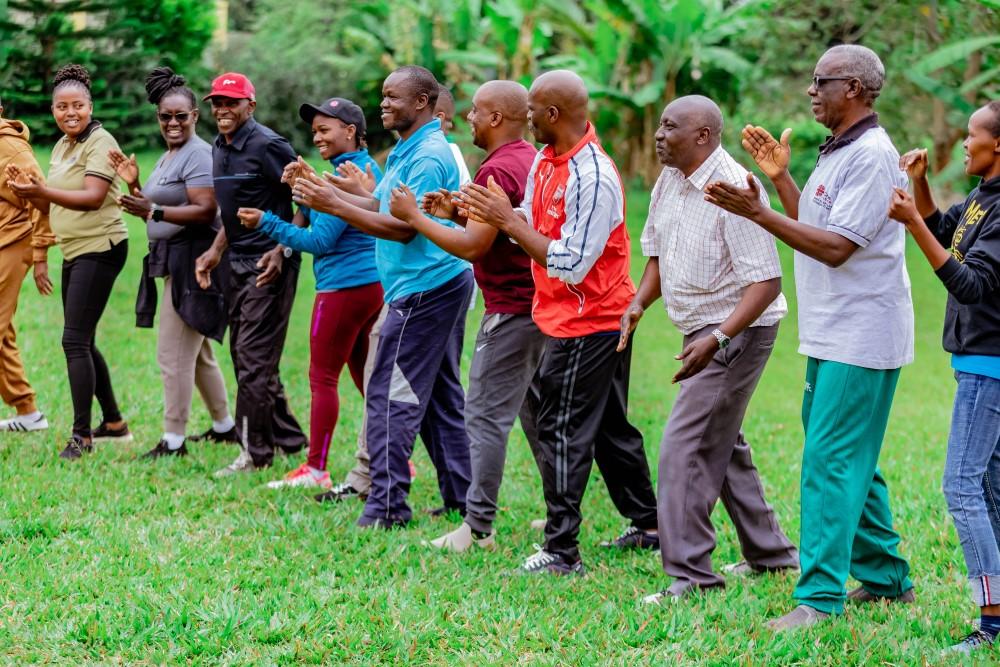
Effective team building goes beyond games and outdoor adventures. It creates opportunities for employees to connect, communicate, and collaborate in ways that aren't always possible within the daily work environment. By stepping away from routine tasks, team members learn to trust one another, solve problems together, and appreciate the unique strengths each person brings to the team.
One of the greatest benefits of team building is improved communication. Many workplace challenges stem from misunderstandings, poor information sharing, or a lack of collaboration between departments. Interactive team-building activities encourage open dialogue, active listening, and constructive feedback, helping employees communicate more effectively when they return to work.
Team building also strengthens trust. Trust is the foundation of every high-performing team because it creates an environment where people feel comfortable sharing ideas, asking for help, and taking initiative without fear of criticism. When employees trust one another, they are more likely to collaborate, support each other, and work toward common goals.
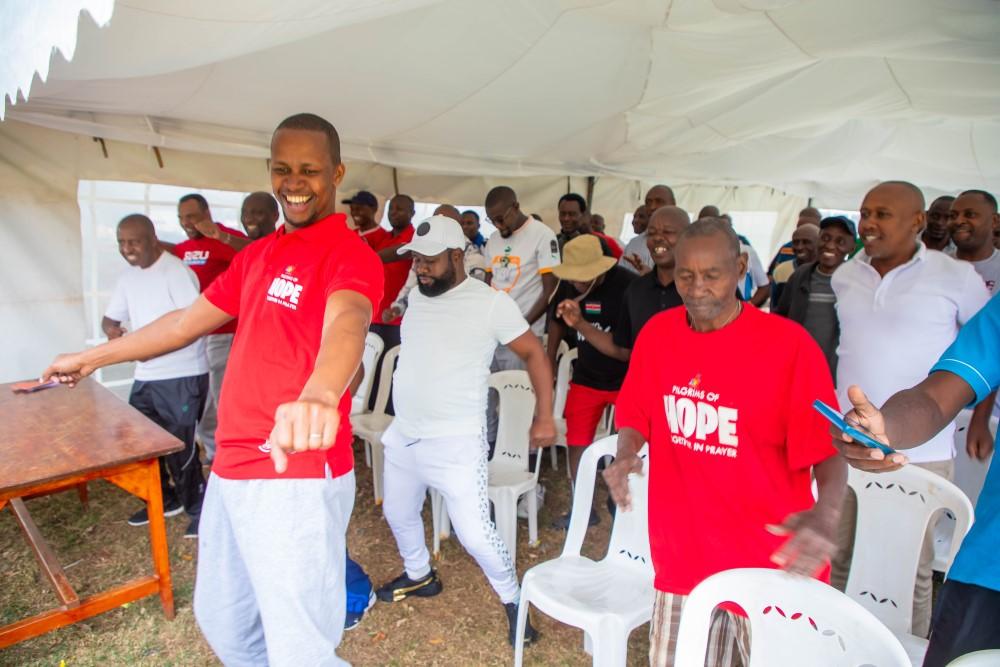
Another important advantage is increased employee engagement. Employees who feel connected to their colleagues and valued by their organization are often more motivated and committed to their work. Team-building experiences create shared memories and a stronger sense of belonging, which can improve morale, reduce workplace stress, and increase productivity.
Leadership development is another valuable outcome of purposeful team building. Activities often place participants in situations where they must make decisions, delegate responsibilities, manage conflict, and motivate others. These experiences help identify emerging leaders while allowing existing managers to strengthen essential leadership skills in a practical setting.
Organizations that invest in team building also benefit from greater innovation. When employees from different departments collaborate outside their usual roles, they gain fresh perspectives and discover new ways to solve problems. This cross-functional interaction encourages creativity and builds a culture where ideas are shared freely.
However, successful team building requires more than simply organizing an event. The most impactful programs are designed with clear objectives that align with an organization's goals, whether it's improving communication, strengthening leadership, enhancing customer service, or increasing collaboration. Following up after the event with action plans and continued learning helps ensure that positive behaviors become part of the workplace culture.
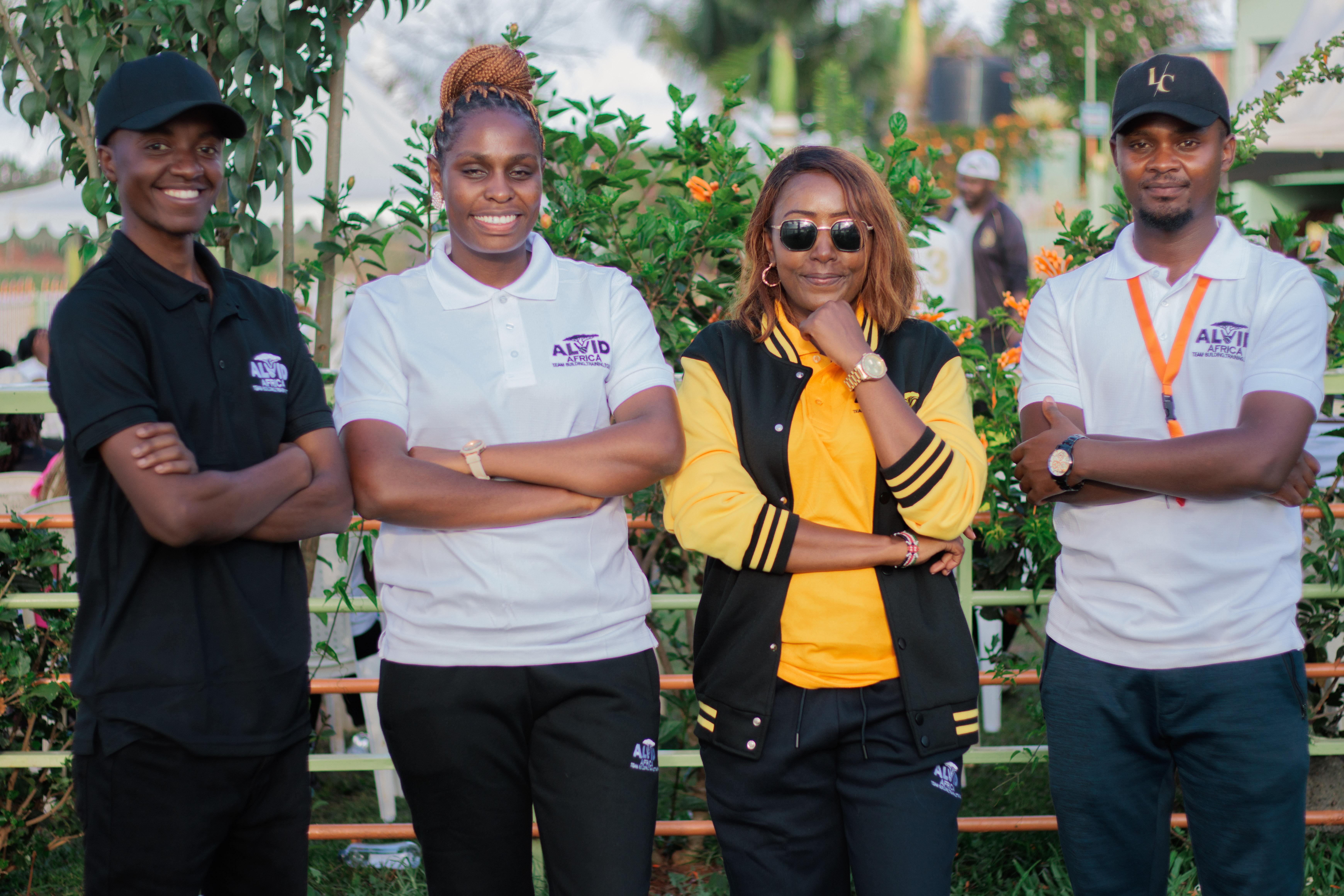
At ALVID AFRICA, we believe that meaningful experiences create meaningful change. Our experiential learning programs are designed to inspire collaboration, build trust, and develop the skills that teams need to thrive in today's dynamic business environment. Every activity is carefully crafted to deliver lessons that extend far beyond the event itself.
The strongest organizations understand that success is not built by individuals working alone but by teams working together with purpose, trust, and shared commitment. By investing in team building, businesses are investing in stronger relationships, better performance, and sustainable growth.
Your people are your greatest asset. When they grow together, your business grows with them.