

Kasarani, Nairobi, Kenya
+254 704 831732
+254 704 831732
info@alvidafrica.co.ke
alvidafrica@gmail.com



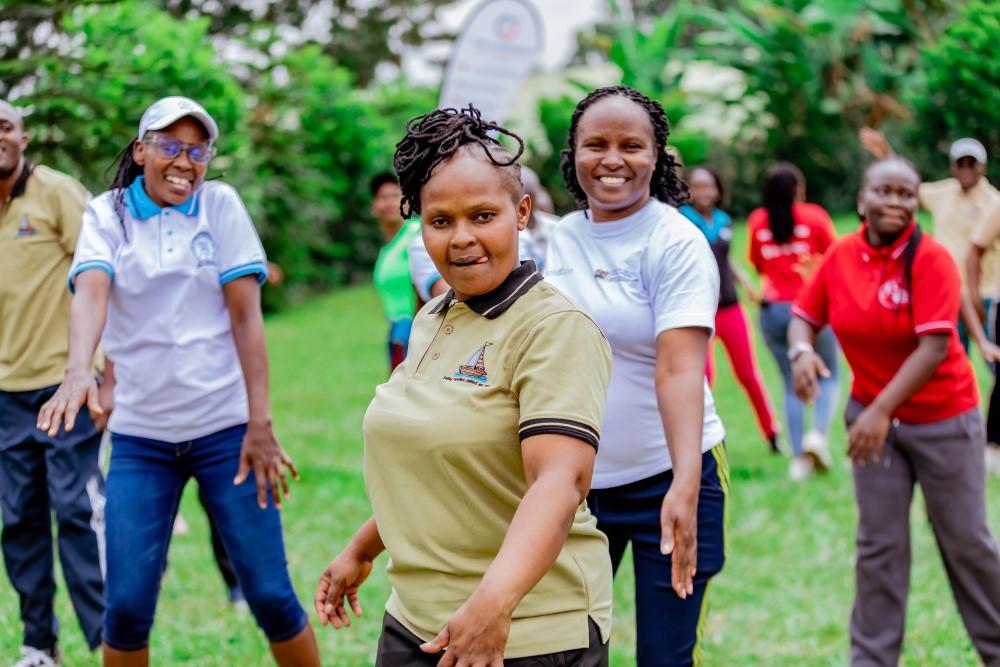









 by Alvid Africa
Organizations today operate in an environment defined by constant change, uncertainty, and increasing pressure to perform. While technology, strategy, and processes are important, the true competitive advantage lies in the strength of a company's people. The most successful organizations are those that build resilient teams, manage change effectively, and create workplaces where employees feel safe to contribute.
Resilient teams are not teams that never face challenges. Instead, they are teams that know how to respond when challenges arise. Whether facing market disruptions, operational setbacks, or internal conflicts, resilient teams work together to adapt and move forward.
Several qualities consistently define resilient teams:
These characteristics allow teams to remain productive under pressure and recover quickly from setbacks. Importantly, resilience is not built during a crisis—it is built before one occurs. Organizations that invest in team development and collaboration create stronger foundations that help employees navigate uncertainty with confidence.
Change is inevitable, yet many organizational change initiatives fail to achieve their intended outcomes. A common misconception is that employees resist change itself. In reality, people often resist uncertainty.
When employees do not understand why change is happening, how it will affect them, or what success looks like, resistance naturally increases. Several factors commonly contribute to failed change initiatives:
Successful change management requires leaders to communicate clearly, involve employees in the process, and create alignment across teams. When people understand the purpose behind change and feel included in the journey, they are far more likely to support and sustain new ways of working.
Leaders who approach change with clarity, transparency, and confidence create an environment where uncertainty becomes manageable rather than threatening.
While resilience and change management are essential, they cannot thrive without psychological safety.
Psychological safety refers to a workplace culture where employees feel comfortable speaking up, sharing ideas, asking questions, and expressing concerns without fear of embarrassment or punishment. It is the foundation of innovation, collaboration, and continuous improvement.
Signs of a psychologically safe workplace include:
When employees feel safe to contribute, organizations benefit from better problem-solving, stronger teamwork, and more innovative thinking. In contrast, environments where people remain silent often miss valuable opportunities for growth and improvement.
Innovation grows where people feel safe to speak up. Some of the best ideas in an organization come from individuals who simply need the confidence and permission to share them.
Resilient teams, effective change management, and psychological safety are deeply connected. Teams become more resilient when trust exists. Change becomes easier when employees feel informed and involved. Innovation flourishes when people know their voices matter.
Organizations that intentionally invest in these three areas create stronger cultures, better performance, and sustainable growth.
The future belongs to organizations that do more than manage people—it belongs to organizations that empower them. By building resilience, leading change effectively, and creating psychologically safe workplaces, leaders can transform teams into their greatest strategic advantage.