

Kasarani, Nairobi, Kenya
+254 704 831732
+254 704 831732
info@alvidafrica.co.ke
alvidafrica@gmail.com



 by Alvid Africa
Blog by ALVID AFRICA
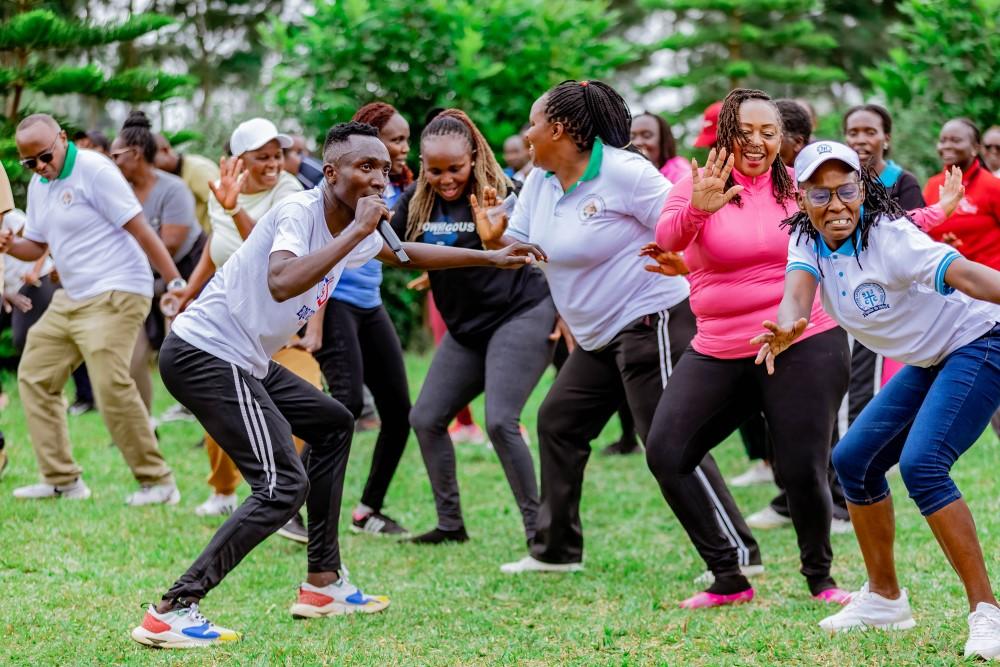
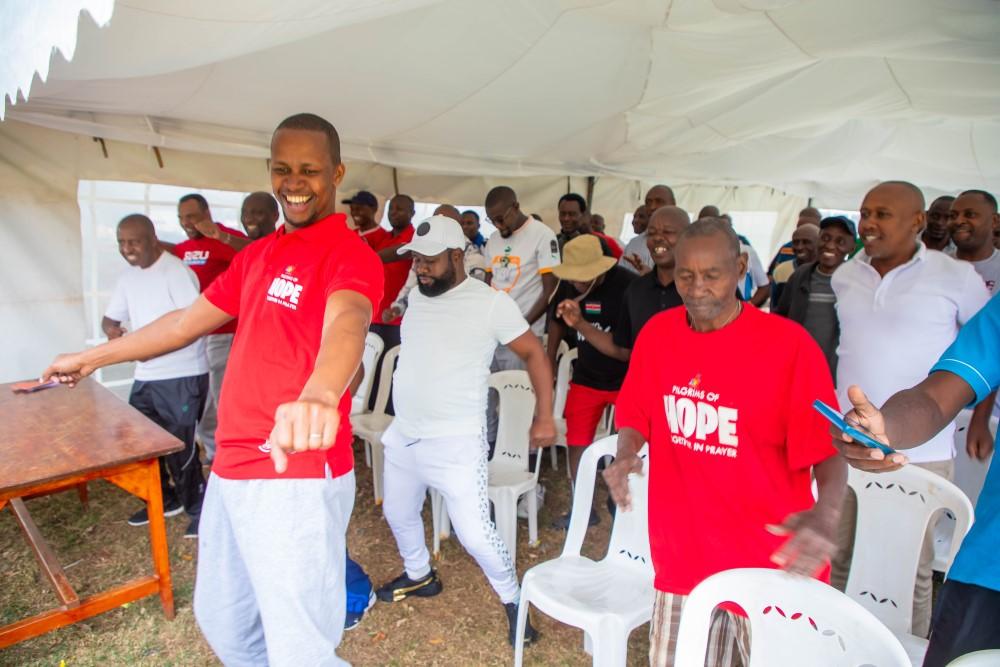
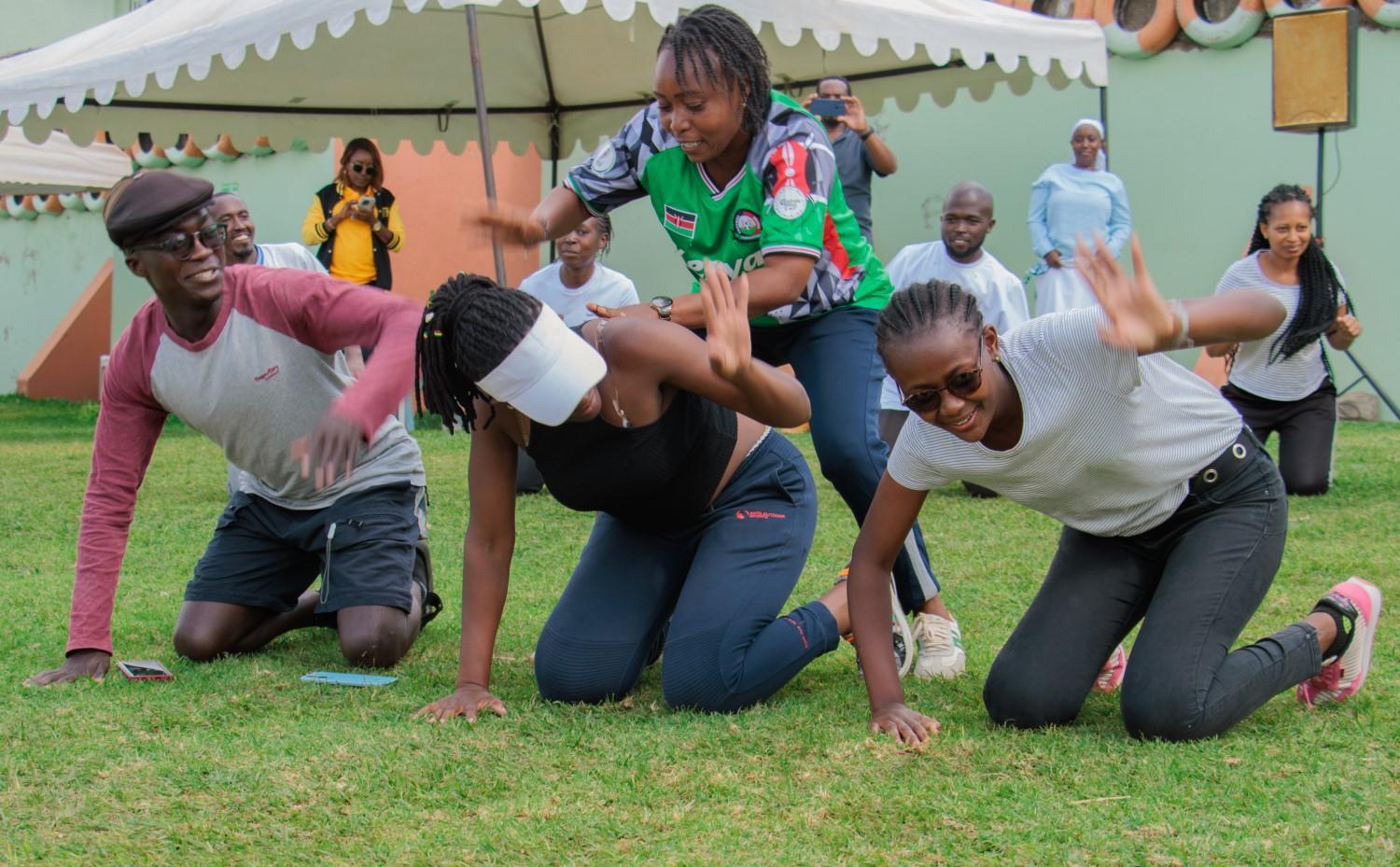
In today’s competitive business environment, organizations are constantly searching for ways to improve productivity, collaboration, and employee engagement. Traditional training methods—such as lectures or slide-based workshops—often share useful information but rarely produce meaningful behavioral change. As a result, many organizations are turning to experiential team building, a learning approach where employees develop skills through hands-on activities, simulations, and real-world problem solving.
Experiential learning is not simply about organizing fun activities during a corporate event. It is a structured process that allows teams to learn by doing, reflecting, and applying insights to real workplace challenges. Research increasingly shows that experiential team building leads to stronger workplace performance because it improves knowledge retention, strengthens collaboration, and accelerates skill development.
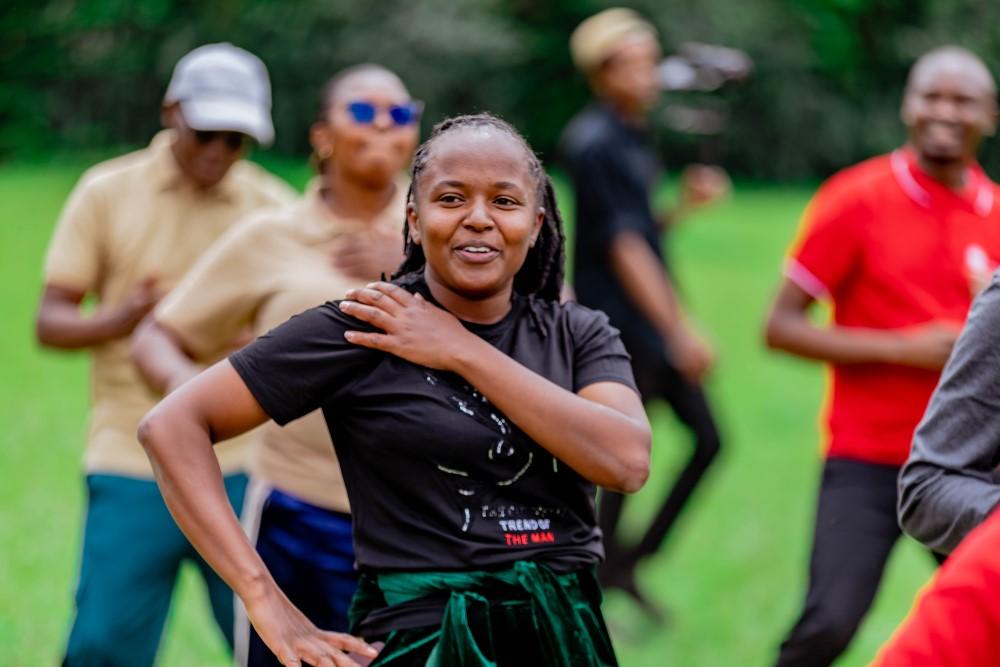
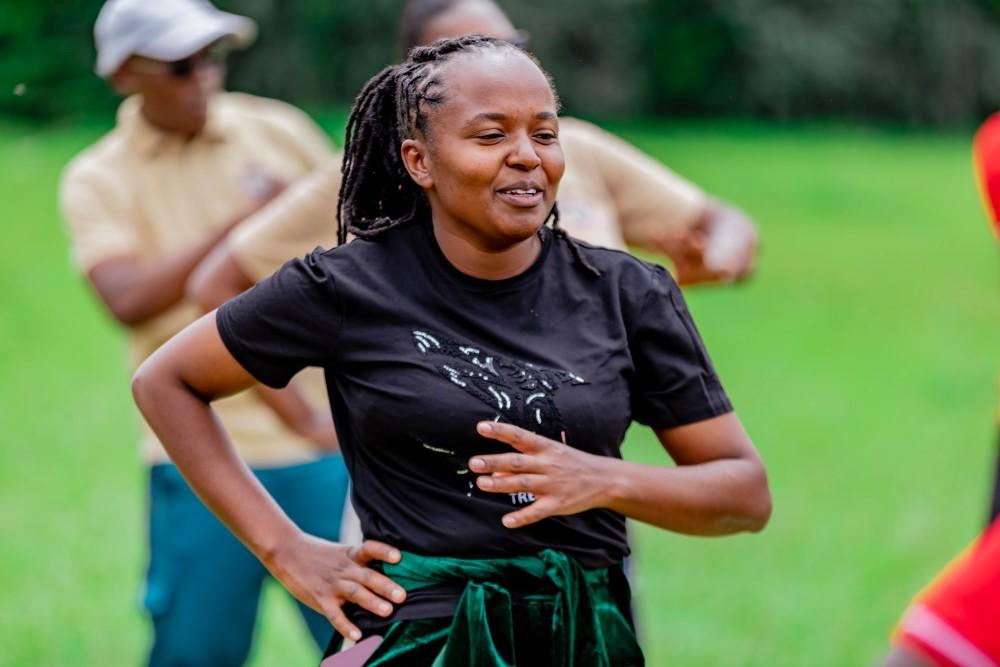
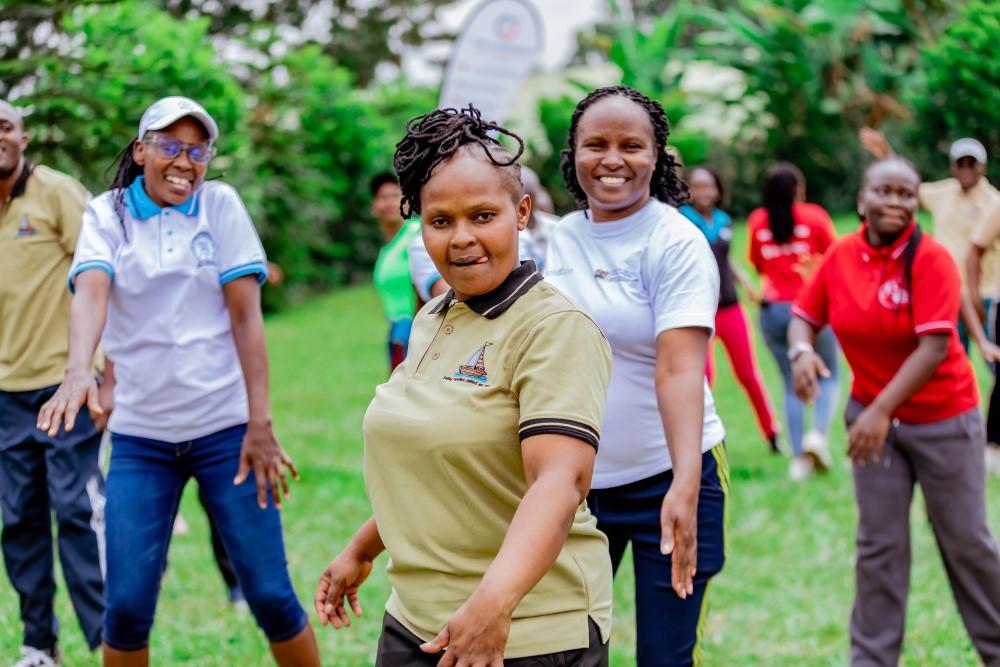
Experiential team building is based on the idea that people learn best through experience. Instead of passively receiving information, participants actively engage in activities that mirror real workplace situations.
This method follows the Experiential Learning Cycle, developed by educational theorist David Kolb. The cycle consists of four stages:
This structured process allows employees to transform experiences into practical knowledge and improved workplace behavior.
One of the strongest advantages of experiential learning is how much participants remember.
Research on learning retention shows that people retain significantly more information when they actively practice skills rather than simply listen to lectures. Studies suggest experiential learning can produce 75–90% retention rates, compared to 5–15% retention from traditional lecture-based training.
This happens because experiential learning engages multiple parts of the brain simultaneously. Participants must:
These activities activate deeper cognitive processes, making lessons easier to remember and apply in the workplace. For organizations, this means employees are far more likely to implement the skills they learn.
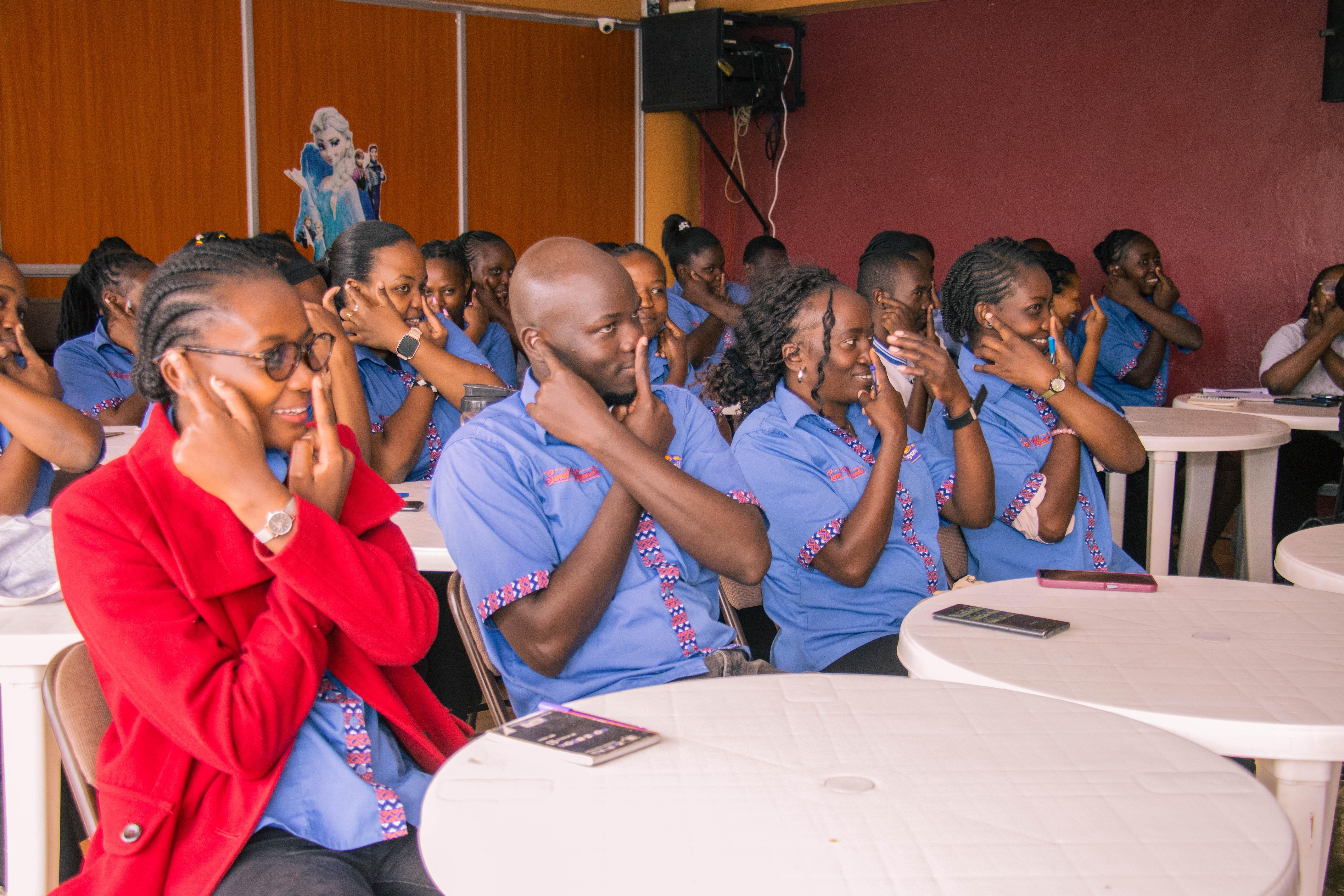
A common challenge in corporate training is the “knowing-doing gap.” Employees may understand concepts during workshops but struggle to apply them in real work situations.
Experiential learning helps close this gap by recreating workplace challenges in controlled environments. Team activities often simulate situations such as:
By facing these situations during experiential exercises, employees learn how to apply leadership, communication, and problem-solving skills in conditions similar to real work environments. This practical approach ensures that learning is directly relevant to everyday business operations.

Another advantage of experiential learning is the speed at which employees develop new skills. Hands-on practice allows participants to immediately test and refine their abilities.
Research indicates that learners who practice skills in realistic scenarios can reach competence up to twice as quickly as those relying only on theoretical training. Scenario-based learning can also significantly increase confidence, enabling employees to perform tasks more effectively.
For organizations, faster skill development leads to:
As workplaces become more collaborative and knowledge-driven, traditional training methods alone are no longer enough. Experiential team building offers a powerful alternative by combining learning with action.
By allowing employees to practice skills, build trust, and solve real challenges together, experiential learning creates lasting improvements in workplace behavior.
Organizations that invest in experiential learning gain a clear advantage: teams that communicate better, collaborate more effectively, and perform at higher levels.
Experiential team building is far more than an engaging workplace activity. It is a strategic development approach that strengthens communication, improves collaboration, and accelerates skill development.
By learning through experience rather than passive instruction, employees develop practical abilities they can immediately apply in their roles.
At ALVID AFRICA, experiential learning programs are designed to help organizations unlock the full potential of their teams. Through carefully structured activities, reflection, and practical application, experiential team building transforms groups of individuals into high-performing teams capable of driving long-term business success.
Writen by Betty Mwenda